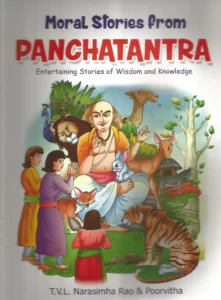
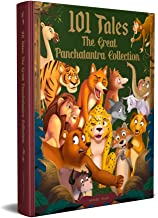
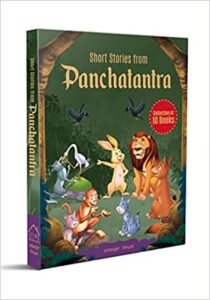
Tales of Panchatantra is an old assortment of creature tales from India. It is accepted to have been composed by Vishnu Sharma, a sage, around the third century BCE. The narratives in the Tales of Panchatantra are known for their ethical lessons and shrewdness.
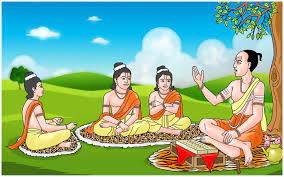
The edge story of the Panchatantra spins a three silly and unpracticed around a lord children. The lord believes his children should acquire information and intelligence, so he looks for the assistance of a savvy Brahmin named Vishnu Sharma.
Vishnu Sharma consents to show the sovereigns through a progression of stories. He utilizes creature characters to show moral and commonsense illustrations. Tales of Panchatantra comprises of five books, each with an alternate subject.
1. “The Deficiency of Companions” (Mitralabha): This book shows the significance of picking companions shrewdly and being wary about making coalitions.
2. “The Triumphant of Companions” (Mitralabha): It centers around building and keeping up with kinships and coalitions through tact and shared regard.
3. “Of Crows and Owls” (Kakolukiyam): This book investigates the possibility of solidarity and cooperation, forewarning against division and unseen struggles.
4. “Loss of Gains” (Labdhapranasam): It contains stories that wariness against voracity, incautious activities, and the results of losing what one has acquired.
5. “Convenient Insight” (Apariksitakaram): This book stresses the significance of decisive reasoning, fast navigation, and flexibility in testing circumstances.
All through the Panchatantra, different creature characters, like lions, jackals, monkeys, and birds, participate in narrating to convey their insight. These accounts cover a large number of subjects, including legislative issues, morals, administration, and human way of behaving.
The Tales of Panchatantra has been converted into various dialects and has affected narrating customs across the world. Its persevering through notoriety is a demonstration of the immortal insight and moral illustrations it grants to perusers, everything being equal.
The Loss of Friends” (Mitralabha)
In this Tales of Panchatantra, “Mitralabha” alludes to “The Triumphant of Companions” or “Acquiring Companions.” It is one of the books in the Panchatantra that investigates the subject of fellowship and partnerships.
The accounts in “Mitralabha” center around the craft of making companions and the significance of building and keeping up with significant connections. The stories inside this book show significant examples tact, trust, and common regard.
Using creature characters and drawing in accounts, “Mitralabha” gives viable experiences into the elements of human fellowships. It shows how to lay out collusions, explore social associations, and cultivate enduring bonds.
The accounts in “Mitralabha” exhibit different procedures and ways to deal with making companions. They underscore the worth of consideration, sympathy, and grasping in serious areas of strength for manufacturing with others. These stories additionally alert against duplicity, double-crossing, and the results of picking some unacceptable companions.
Generally, “Mitralabha” fills in as a manual for developing and sustaining significant fellowships. It grants astuteness on the characteristics that make for good fellowships, the traps to stay away from, and the significance of approaching others with deference and sympathy.

The Winning of Friends” (Mitralabha)
The Winning of Friends” (Mitralabha) is one of the best Tales in the Panchatantra, an old assortment of creature tales from India. This book centers around the subject of companionship and investigates the specialty of building and keeping up with significant connections.
Through a progression of drawing in stories highlighting creature characters, “Mitralabha” confers significant illustrations on the characteristics and activities that add to fruitful companionships. The stories accentuate the significance of trust, unwavering ness, and common regard in serious areas of strength for cultivating enduring bonds.
The accounts in “Mitralabha” feature different methodologies and ways to deal with making companions. They outline how thoughtful gestures, liberality, and compassion can assist with fashioning associations and develop significant connections. These stories likewise alert against presumption, untrustworthiness, and the results of deceiving companions.
“Mitralabha” fills in as an aide for perusers, showing them the craft of making companions and the meaning of supporting and treasuring these connections. It urges people to think about the sentiments and requirements of others, stressing the worth of trust and understanding.
Generally, “Mitralabha” offers immortal insight on the characteristics and activities that add to the triumphant and upkeep of genuine companionships, advancing amicable and satisfying connections throughout everyday life.
Crows and Owls” (Kakolukiyam)
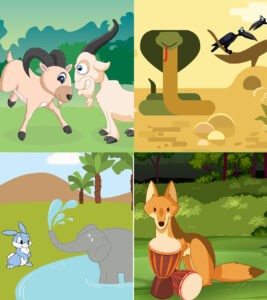
The Stories “Of Crows and Owls” rotate around the collaborations and elements between two gatherings of birds, the crows and the owls. These birds are portrayed as having unmistakable attributes and ways of behaving.
The book investigates the outcomes of division and inner conflict inside the gatherings. It shows how conflicts and infighting can debilitate an aggregate and convey it helpless against outside intimidations.
Through the drawing in stories and collaborations between the crows and the owls, “Of Crows and Owls” shows significant examples the significance of solidarity, participation, and the goal of contentions. The narratives accentuate that strength lies in fellowship and that isolated gatherings are more defenseless to outer control and mischief.
The stories in “Of Crows and Owls” offer experiences into the risks of self image, pomposity, and ravenousness that can prompt struggles under the surface. They urge pursuers to focus on collaboration, cooperation, and everyone’s benefit over private plans.
By utilizing creature characters to convey these ethical lessons, “Of Crows and Owls” gives pursuers engaging and critical stories that advance concordance, understanding, and the benefit of cooperating toward a shared objective.
Generally, “Of Crows and Owls” fills in as a sign of the significance of solidarity, collaboration, and settling clashes inside gatherings, encouraging a feeling of aggregate strength and flexibility.
Loss of Gains” (Labdhapranasam)
The narratives in “Loss of Gains” rotate around different creature characters and their experiences with circumstances that lead to the deficiency of their well deserved belongings or accomplishments. These stories delineate the risks of turning out to be excessively appended to material riches or capitulating to hasty longings.
Through connecting with stories and moral examples, “Loss of Gains” shows peruses the significance of cautious navigation, discretion, and the need to think about long haul results. The narratives alert against wild activities that can prompt the deficiency of what one has accomplished or procured.
The tales in “Loss of Gains” additionally feature the worth of happiness and the risks of over the top eagerness. They urge pursuers to appreciate and safeguard what they have instead of continually seeking after more, as unrestrained cravings can eventually prompt misfortune and lament.
By utilizing creature characters and appealing circumstances, “Loss of Gains” furnishes pursuers with important bits of knowledge into the traps of rash activities and the requirement for smart thought in simply deciding. It empowers reflection on the genuine worth of riches and the significance of tracking down balance throughout everyday life.
Generally, “Loss of Gains” reminds peruses to practice judiciousness, discretion, and savvy decision-production to stay away from the deficiency of hard-procured gains and to develop satisfaction and appreciation for what they have accomplished.
CONCLUSION OF THE STORY
The Tales of Panchatantra fills in as an immortal wellspring of shrewdness and moral direction. Its accounts show significant illustrations reasonable insight, moral way of behaving, solidarity, and the intricacies of human instinct. By investigating these subjects, the Panchatantra offers peruses direction on the most proficient method to explore life’s difficulties, use sound judgment, and develop excellencies that lead to individual and cultural prosperity.
Thank You For Reading this Article
To Know More Interesting Articles Please Click on the Below Link
https://smartkid.searchinfography.com/
Attractive Coloring Book for Kids
1 thought on “Tales of Panchatantra”