Multicultural and Diversity Education: Promoting Inclusion and Understanding
Contents
hide
Introduction :-
Multicultural and Diversity Education, In an increasingly interconnected and globalized world, multicultural and diverse education has gained paramount importance. It is a comprehensive approach that seeks to create an inclusive and equitable learning environment by acknowledging and embracing the diversity of cultures, backgrounds, beliefs and perspectives within society. This article throws light upon the importance of multicultural and diverse education, its benefits and strategies to implement it effectively in educational institutions.

Understanding Multicultural and Diversity Education
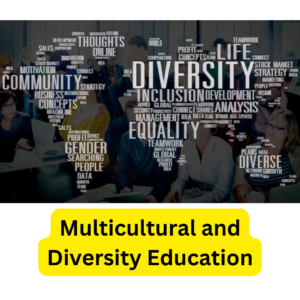
Multicultural education goes beyond simply tolerating differences; It aims to celebrate and integrate diverse perspectives into curriculum, teaching methods and school policies. It recognizes that students come from diverse ethnic, racial, religious, socio-economic and linguistic backgrounds, and seeks to create an environment where all students feel valued and respected.
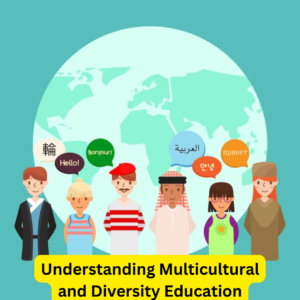
Benefits of Multicultural and Diverse Education
Promotes Cultural Awareness: Multicultural education introduces students to different cultures, fostering a sense of cultural empathy and understanding. This awareness breaks down stereotypes and prejudices, leading to a more inclusive society.
Enhances Critical Thinking: By engaging with diverse perspectives, students learn to critically analyze information, broaden their perspective, and make informed decisions.

Preparing for a Globalizing World: As the world becomes more interconnected, understanding and appreciating different cultures becomes an essential life skill. Multicultural education prepares students to thrive in diverse environments.
Reduces Prejudice and Discrimination: Education that celebrates diversity helps combat prejudice and discrimination by challenging stereotypes and fostering a sense of unity among students.
Strategies for Implementing Multicultural and Diversity Education
Inclusive Curriculum Design: Incorporate diverse perspectives, literature and historical narratives into the curriculum. Teach topics from a diverse cultural perspective to provide a more comprehensive understanding.
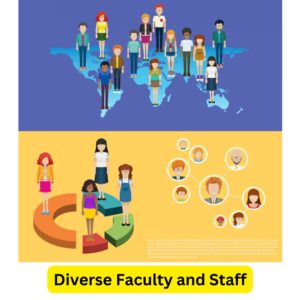
Diverse Faculty and Staff: Hiring a diverse staff increases representation and provides students with role models from diverse backgrounds.
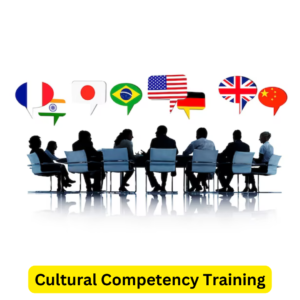
Cultural Competency Training: Provide faculty and staff with training on cultural competency and sensitivity to ensure they create an inclusive environment.
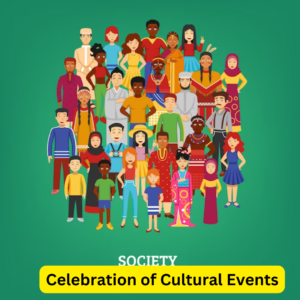
Celebration of Cultural Events: Acknowledge and celebrate cultural holidays, events and heritage months to increase cultural awareness among students.
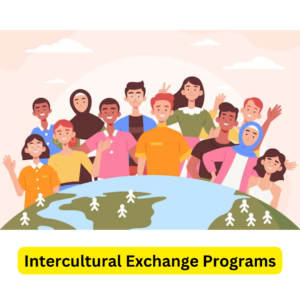
Intercultural Exchange Programs: Organize exchange programs or partnerships with schools from different cultural backgrounds to promote mutual understanding and cooperation.
Inclusive Classroom Activities: Engage students in activities that promote intercultural contact and discussion. Assign projects that encourage research and understanding of different cultures.

Overcoming Challenges and Obstacles
Implementing multicultural and diverse education can face challenges such as resistance from certain groups, lack of resources, and misconceptions about the purpose of such education. To overcome these challenges, it is important to engage in open dialogue, provide factual information and highlight the benefits of an inclusive education system.
Conclusion:-
The journey towards effective multicultural and diverse education can be challenging, but its rewards are immeasurable. As students learn about the experiences, struggles and achievements of different cultures, they develop a sense of compassion that transcends boundaries. This compassion fosters an environment where each person is valued and listened to, contributing to a safer, more equitable society for all. Multicultural and Diverse Education is not just an educational initiative; This is a fundamental step towards building a more inclusive and harmonious society. By embracing the richness of diversity, educational institutions can equip students with the skills and mindset needed to thrive in an interconnected world. As educators, parents and communities collaborate to prioritize multicultural education, we pave the way for a brighter future where unity and understanding triumph over prejudice and ignorance.
Thank You For Reading
To Know More, Please Click on the Below Link
https://smartkid.searchinfography.com/