Kids Health and Wellness, In a world filled with fast-paced lifestyles, technological advancements, and changing dietary patterns, ensuring the health and well-being of our children has become more important than ever. The foundation for a strong and healthy future begins right from childhood, shaping physical and cognitive, and emotional development. This article highlights key aspects of children’s health and well-being, providing insight and actionable tips for parents, carers, and teachers.
Contents
hide
1. Nutrition: Promoting Growth and Development
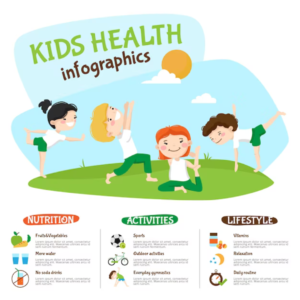
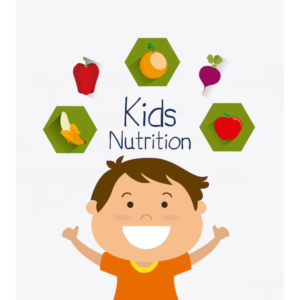
Proper nutrition is the cornerstone of children’s health. A balanced diet rich in vitamins, minerals, protein, and essential fats supports physical growth, cognitive development, and overall well-being. Encourage a diet that includes a variety of fruits, vegetables, whole grains, lean proteins, and healthy fats. Limiting sugary snacks and processed foods may help prevent obesity and dental problems. Remember, establishing healthy eating habits during childhood can have a lasting positive impact on adulthood.
2. Physical Activity: Active Body, Active Mind
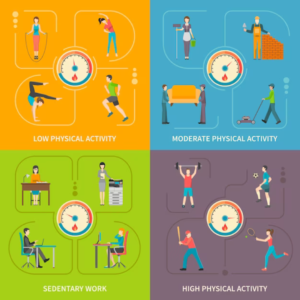
Regular physical activity is important for the health and development of children. Active sports and exercise not only promote strong muscles and bones but also promote cardiovascular fitness and support healthy weight management. Encourage outdoor activities, team sports, dance, and recreational exercise to keep kids active and excited to be active. Striking a balance between screen time and physical play is essential to preventing sedentary behavior.
3. Sleep: The Power of Restorative Rest
Quality sleep is important for children’s development and mental well-being. Establishing a consistent sleep routine and making sure children get an adequate amount of sleep each night aid with their immune systems, cognitive function, and emotional regulation. Create a relaxing bedtime routine, limit screen time before bedtime, and make sure the sleep environment is comfortable and free of distractions.

4. Emotional Well-Being: Nurturing Resilience
Children’s emotional health is just as important as their physical health. Encourage open communication, validate their feelings, and create a safe space for them to express themselves. Teach them emotional intelligence, empathy, and coping skills to deal with challenges and build resilience. Engage in activities that promote relaxation and mindfulness, such as deep breathing exercises, yoga, and creative expression.

5. Cleanliness and Health Habits: Building a Strong Foundation
Teaching good hygiene habits from a young age can prevent the spread of diseases and promote overall health. Teach children the importance of regularly washing hands, brushing teeth, and covering their mouths when sneezing or coughing. Adopting these habits early can help them develop a sense of responsibility toward their health.

6. Screen Time Management: Balancing the Digital and Physical Worlds
In today’s digital age, managing screen time is essential for children’s health. Excessive screen time can lead to sedentary behavior, sleep disturbances, and decreased physical activity. Set limits on screen time and encourage a healthy balance between screen-based activities and outdoor play. Engage in educational and interactive digital content to make screen time more productive.

7. Routine Checkups and Immunizations: Preventive Care
Regular visits to the pediatrician are important to monitor development, address concerns, and stay up to date with vaccinations. Immunization protects children from serious diseases and contributes to community health by preventing the spread of diseases. Make sure your child’s vaccination schedule is followed to maintain their well-being.

8. Creating a Supportive Environment: Team Effort
Nurturing the health and well-being of children is a collaborative effort involving parents, carers, teachers, and the community. Foster a supportive environment where children feel loved, valued, and encouraged to make healthy choices. Role-model healthy behaviors to inspire them to adopt the same habits.

Conclusion
Investing in the health and well-being of children is investing in a brighter future. By prioritizing proper nutrition, physical activity, sleep, emotional well-being, and hygiene, we pave the way for healthy and thriving individuals. As parents and caregivers, we have the opportunity to shape the habits and attitudes that will affect our children’s lives for years to come. Let’s work together to empower the next generation with the knowledge and tools they need to live healthy, fulfilling lives.
Thank You For Reading
To Know More, Please Click on the Below Link
https://smartkid.searchinfography.com/
Little Joys Brain Health Gummies for Kids | 60 Day Pack | For Improved Concentration, Mood & Sleep | Packed with 8 Vitamins & Minerals | 100% Vegetarian & No Added Sugar | Pack of 2