Healthy Eating Habits for Kids: Tips to Provide Balanced and Nutritious Meals for Kids and How to Deal with Fussy Eaters
Contents
hide
Healthy Eating Habits for Kids. As parents and caregivers, one of our primary responsibilities is to ensure that our children have access to healthy food to support their growth and development. Establishing good eating habits early on can have a profound effect on their overall health. In this blog, we will discuss the essential tips to provide balanced and nutritious meals for kids and strategies to deal with the challenges posed by finicky eaters.

1. Foundation of a Balanced Diet:
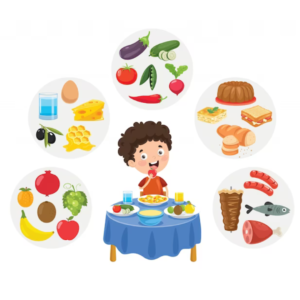
A balanced diet for children should include a variety of foods from all the food groups to ensure they get the nutrients they need. These food groups typically include fruits, vegetables, grains, proteins, and dairy. Try making meals that include a rainbow of colors that reflect a diverse range of nutrients.
2. Include Fruits and Vegetables:
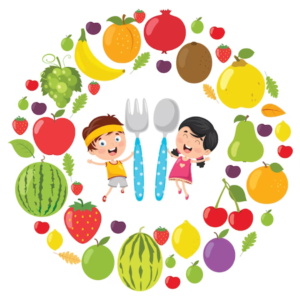
Fruits and vegetables are rich in vitamins, minerals, and dietary fiber. Incorporate these into your child’s diet in creative ways, such as blending fruits into smoothies or serving vegetables as colorful and fun finger foods. Experiment with different types to find out what your child’s taste buds like best.
3. Whole Grains:
Choose whole grains over refined grains to provide a steady source of energy and essential nutrients. Whole grains such as brown rice, quinoa, whole wheat bread, and oats are better choices than white rice or refined flour products.
 4. Protein-Rich Foods:
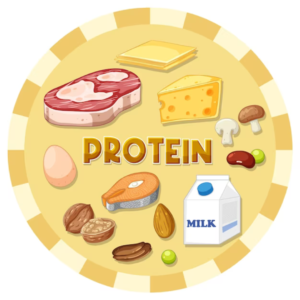
Proteins are important for a growing body. Include lean meats, poultry, fish, eggs, beans, lentils, and tofu in your diet. If your child is a vegetarian, make sure he still gets a good mix of protein sources.
5. Dairy or Dairy Alternatives:
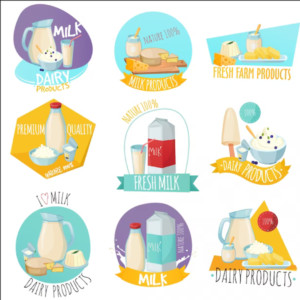
Calcium is essential for making bones and teeth strong. Offer dairy products like milk, cheese, and yogurt, or plant-based alternatives rich in calcium and vitamin D.
6. Limit Processed Foods And Sugary Snacks:
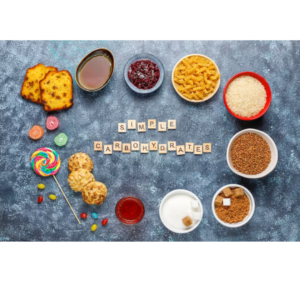
Although it’s okay to indulge occasionally, try to limit processed foods that are high in sugar, salt, and unhealthy fats. Choose healthier snack options such as cut fruit, unsalted nuts, or whole grain crackers.
 7. Stay Hydrated:
Encourage your child to drink plenty of water throughout the day. Avoid sweetened beverages and excessive fruit juices, which can lead to empty calories.

8. Make Meal Time Enjoyable:
Create a positive and enjoyable atmosphere during the meal. Avoid distractions like TV or electronic devices and give your child enough time to eat at his own pace.

9. Involve Kids in Meal Planning:
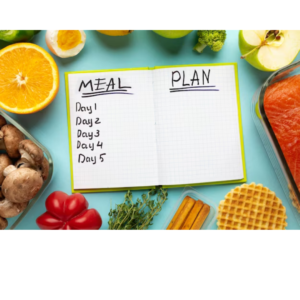
Let your kids participate in meal planning and preparation. This involvement can increase their interest in trying new foods and give them a sense of accomplishment.
 10. Set a Good Example:
Children often model their behavior on those of their parents. Show them the importance of healthy eating by including nutritious options in your diet.
Tips for Dealing with Fussy Eaters:
Many parents face the challenge of dealing with finicky eaters. Here are some strategies for making mealtimes less stressful and more enjoyable:
1. Be patient and firm:
A baby may have to eat several times before he develops a taste for new food. Do not force or pressure them to eat, but keep giving them small portions on different occasions.
2. Offer Options:
Give your child a choice of healthy options. That way, they feel more in control and are more likely to try something they choose.
3. Be Creative With Presentation:
4. Combine new Foods With Familiar Foods:
Incorporate new foods into recipes that your child already enjoys. For example, add some spinach to a pasta sauce or add finely chopped vegetables to a pizza topping.
5. Avoid Using Food As Reward Or Punishment:
Using food to reward or punish a child’s behavior can lead to an unhealthy association with food. Instead, focus on positive reinforcement for trying new foods.
6. Don’t Be a Short Order Cook:
Avoid preparing separate meals for finicky eaters. This can reinforce their picky habits and create more work for you.
7. Mind the Portion Size:
Serve in smaller portions at first, and if your child is still hungry, let them ask for more. Large portions can be overwhelming and discourage you from trying new foods.
8. Make Snacks Nutritious:
If your child is a grazer, make sure the snacks he gets are healthy options. sliced fruit, carrot sticks, or whole grain crackers, Keep it within your reach.
9. Cook Together:
Involve your child in cooking activities. They may be more likely to try something they helped prepare.
10. Don’t Give Up:
Remember, children’s taste preferences can change over time. Keep introducing a variety of foods and be patient; Their eating habits will probably evolve as they grow.
Conclusion:-
Healthy eating habits play an important role in the physical and mental health of children. By providing balanced and nutritious food, we prepare our children for a lifetime of good health and positive habits. Handling finicky eaters can be a test of patience, but with understanding and creativity, it’s possible to broaden their tastes and encourage a varied and nutrient-rich diet. As parents, caregivers, and educators, we play an important role in shaping our children’s eating habits, and with this responsibility comes the opportunity to raise happy, healthy, and thriving children.
Thank You For Reading this Article
To Know More Interesting Articles Please Click on the Below Link
https://smartkid.searchinfography.com/
 To Buy Click Here