Introduction
Contents
hide
Writing Tips For Kids, here we’ll explore valuable Power writing tips for kids to help them develop strong language skills and unleash their creative expression. Whether your child is an aspiring writer, a student seeking to excel academically, or simply someone who enjoys putting ideas to paper, these tips will provide a solid foundation for their writing journey.

To Know More Click on the Link :- https://youtu.be/U7ttQVAjzf4
The Power To Write
Writing is a powerful tool that enables children to express their thoughts, feelings, and ideas in a structured manner. It fosters creativity, improves communication skills and enhances critical thinking abilities. Furthermore, writing is not limited to academic purposes only; It can become a lifelong passion and even a potential career path.

1. Read, read, and read some more!
Encourage your child to read extensively in a variety of genres including fiction, non-fiction, poetry and more. Reading not only introduces them to a variety of writing styles but also enhances their vocabulary and comprehension skills. It’s like filling a writer’s toolbox with a wide range of literary devices.

2. Create a Writing Routine
Consistency is key when it comes to developing writing skills. Help your child create a writing routine, allotting a specific time each day for creative expression. Whether it’s jotting down thoughts in a journal, writing short stories, or composing poems, a regular writing program will foster discipline and improvement.

3. Start With Simple Hints
If your child is new to writing, starting with simple signs can be incredibly helpful. Prompts are engaging and thought-provoking statements or questions that inspire creative thought.
 3. Start With Simple Hints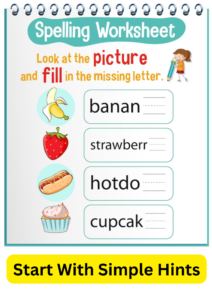
4. Emphasize the Writing Process
Teach your child that writing is not just about the end product but about the whole process. Encourage them to brainstorm ideas, outline and draft their work before revising and editing. Emphasis on the writing process fosters valuable organizational skills and attention to detail.
5. Fostering a Helpful Writing Community
Connecting with other young writers can be a great way to foster creativity and share ideas. Find writing clubs or workshops in your community or online. Being part of a supportive writing community allows kids to get feedback, gain inspiration, and feel motivated to improve their skills.
 5. Fostering a Helpful Writing Community
6. Provide Constructive Feedback
As a parent or teacher, providing constructive feedback is important for a child’s writing development. When giving feedback, focus on the positives first and then gradually suggest areas for improvement. Encouragement goes a long way in building confidence and developing a love for writing.
 6. Provide Constructive Feedback
7. Encourage Journaling
Journaling is a great exercise for kids to have a personal space to express their thoughts, feelings, and experiences. It’s a judgment-free zone where they can freely explore their feelings, which, in turn, can inspire future writing projects.
 7. Encourage Journaling
8. Experiment with Different Styles
 8. Experiment with Different Styles
Encourage your child to experiment with different writing styles, from descriptive fiction to persuasive essays. This exploration allows them to discover their strengths and preferences while expanding their writing repertoire.
9. Use Writing Prompts Inspired By Real Life Events
Encourage your child to draw inspiration from real life events and experiences while writing stories or essays. Writing about personal experiences adds authenticity and emotional depth to his work.
 9. Use Writing Prompts Inspired By Real Life Events
10. Make Writing Fun With Games
Turning writing practice into a game can be an enjoyable way to engage young writers. For example, you can play storytelling games where each family member adds one sentence to make an entertaining story.
 10. Make Writing Fun With Games
11. Include Visual Content
Visual materials, such as pictures or mind maps, can be good companions for written work. They spur creativity, provide additional context, and make writing more enjoyable.
 11. Include Visual Content
12. Set Writing Challenges
Introduce writing challenges to inspire your child. These challenges can range from writing a short-story in 50 words to creating a poem with a specific rhyming scheme. Challenges foster creativity and inspire kids to think out of the box.
 12. Set Writing Challenges
13. Celebrate Writing Achievements
Celebrate your child’s writing achievements, no matter how small they may seem. Appreciate their efforts, showcase their work and write them
Don’t encourage setting goals. Positive reinforcement builds confidence and encourages a passion for writing.
 13. Celebrate Writing Achievements
14. Explore the World of Publishing
The prospect of seeing your work in print can be incredibly exciting for young writers. Look for opportunities to submit your stories or poems to local newspapers, online platforms, or writing contests.
 14. Explore the World of Publishing
15. Be Patient and Cooperative
Writing is a skill that takes time to develop. Be patient and supportive throughout your child’s writing journey. Encourage them to persevere, learn from their mistakes, and grow as writers.
 15. Be Patient and Cooperative
Conclusion:-
In conclusion, developing strong language skills and creative expression in children through writing is a rewarding and enriching process. By applying the tips mentioned in this article, your child can embark on a journey of self-discovery and imagination. Remember, it’s important to make writing enjoyable, so that it becomes a life-long passion rather than just an academic pursuit. So, let’s encourage our young writers, and who knows, one day they may outshine other websites with their exceptional content!
 Conclusion:-
Thank You For Reading this Article
To Know More Interesting Articles Please Click on the Below Link
https://smartkid.searchinfography.com/
 To BUY Click Here